reduced iron powder plays a crucial role in developing cost-effective friction materials. In the manufacturing industry, friction materials are essential for various applications like brakes and clutches. However, high production costs can be a significant barrier. This calls for affordable alternatives. Enter reduced iron powder, a material with remarkable properties. It can replace more expensive materials while maintaining performance. Manufacturers are constantly looking for ways to improve efficiency and reduce costs. Understanding reduced iron powder can spark innovation in material science.
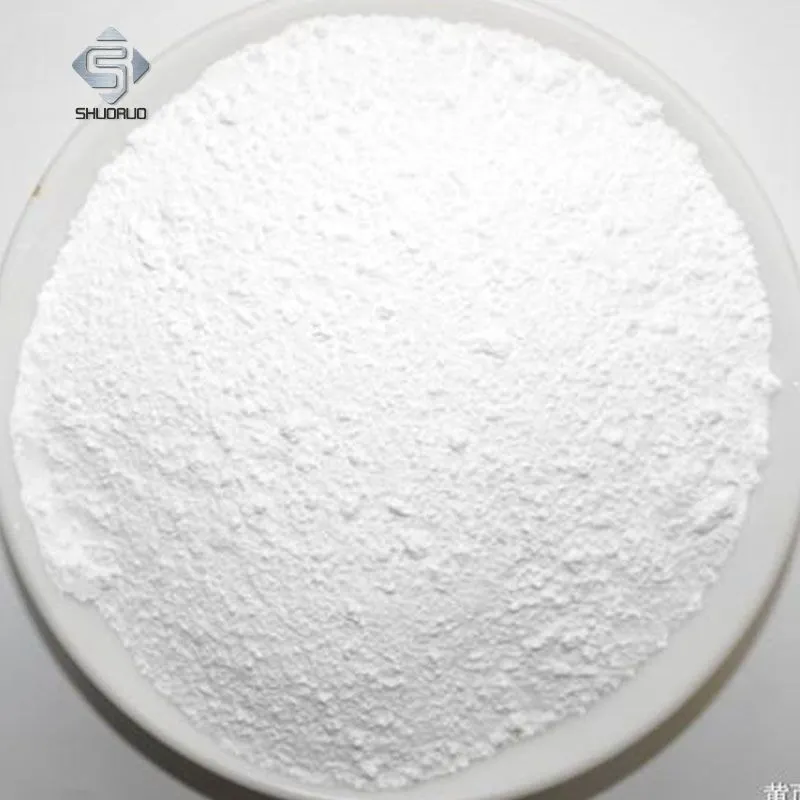
Reduced iron powder is an effective and economical choice for enhancing friction materials in various applications. It offers unique properties like high strength, low density, and excellent oxidation resistance, making it an ideal substitute for other friction materials.
One of the primary benefits of reduced iron powder is its low cost. Compared to traditional friction materials, it provides significant savings without sacrificing quality.
Reduced iron powder has remarkable tensile strength. This property allows it to withstand the stresses involved in friction applications, ensuring reliability.
This material is lightweight, making it suitable for applications where weight reduction is crucial. Lower weight can lead to improved performance in vehicles and machinery.
Reduced iron powder offers excellent oxidation resistance. This feature helps prolong the lifespan of friction materials, reducing maintenance costs over time.
In the automotive sector, reduced iron powder is widely used in brake linings and pads. Its unique properties enhance performance and ensure safety on the road.
Reduced iron powder is also used in industrial machinery. It contributes to the durability of clutches and other friction components, ensuring optimal operation.
In construction equipment, reduced iron powder is used for its strength and light weight. It helps builders create more efficient machinery that meets the demands of tough work environments.
Incorporating reduced iron powder into friction materials involves several steps:
In summary, reduced iron powder offers an excellent solution for enhancing cost-effective friction materials. Its properties, including high strength, low density, and oxidation resistance, make it a preferred choice in various applications such as automotive and industrial machinery. As demand for affordable yet reliable materials continues to rise, understanding and utilizing reduced iron powder can lead to significant advancements in material science and manufacturing processes.


