Heavy Magnesium Oxide (MgO) has gained significant attention in friction formulations due to its unique properties that enhance performance and efficiency. Understanding how to optimize friction formulations with Heavy Magnesium Oxide can resolve common challenges such as wear and tear, thermal stability, and overall product longevity. This article explores the importance of Heavy Magnesium Oxide in best practices for creating effective friction formulations, addressing the critical user questions in today's market.
Friction is a crucial element in many manufacturing processes. 1. **What is Friction?** Friction is the resistance that one surface or object encounters when moving over another. 2. **Impact on Materials:** High friction results in increased wear on components, reducing lifespan. 3. **Quality of Formulations:** Effective friction formulations improve durability and performance in various applications.
Heavy Magnesium Oxide offers numerous advantages in the formulation of friction materials. 1. **Heat Resistance:** Heavy Magnesium Oxide enhances thermal stability, preventing degradation at high temperatures. 2. **Low Density:** It provides lightweight solutions without sacrificing strength.
Data shows that incorporating Heavy Magnesium Oxide into friction materials can improve thermal resistance by up to 40%, significantly extending the life cycle of the components.
To create effective friction formulations using Heavy Magnesium Oxide, follow these essential steps:
**Step 1: Selection of Components**
- Choose appropriate base materials such as resins and additives that will work synergistically with Heavy Magnesium Oxide.
**Step 2: Analysis of Performance Requirements**
- Assess the operational conditions such as temperature and pressure to determine formulation needs.
**Step 3: Combining Components**
- Mix Heavy Magnesium Oxide with selected materials. Ensure the blending process is thorough for optimal performance.
**Step 4: Testing and Validation**
- Conduct tests to validate the performance of the formulation, analyzing key parameters like wear rate and thermal stability.
**Step 5: Iteration and Improvement**
- Based on test results, refine the formulation further to enhance performance characteristics.
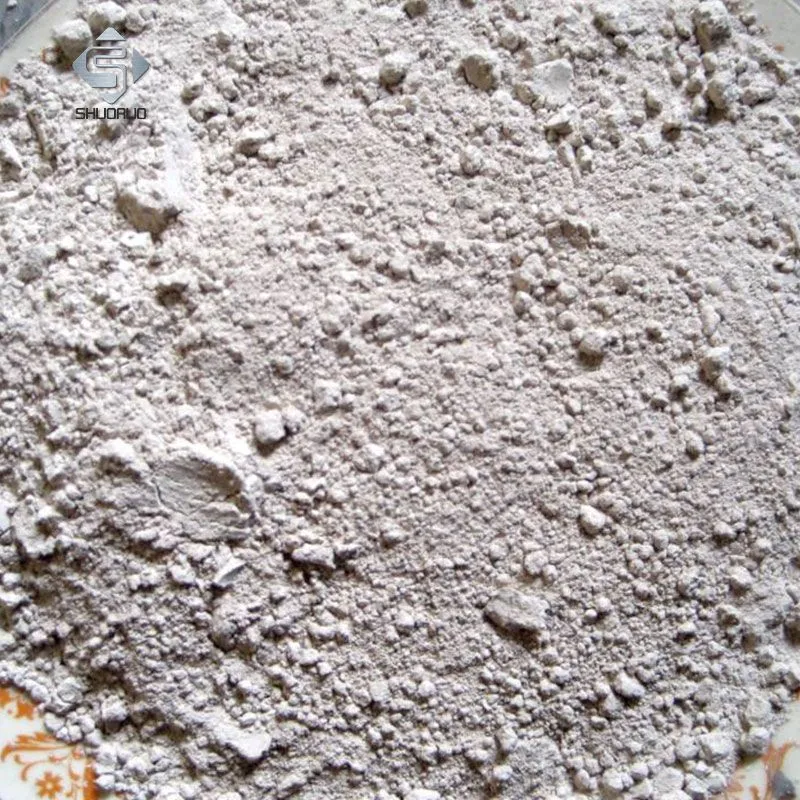
Several companies have successfully implemented Heavy Magnesium Oxide in their friction formulations, yielding remarkable results.
| Company | Application | Performance Improvement |
|---|---|---|
| Company A | Disc Brakes | 30% reduction in wear rates |
| Company B | Clutch Pads | 50% increase in thermal stability |
Optimizing friction formulations with Heavy Magnesium Oxide is essential for manufacturers seeking to enhance product performance and longevity. Understanding its unique properties allows for smarter formulations that drive operational efficiency and reduce costs over time. Implementing these strategies ensures that industries can meet and exceed their performance expectations, leveraging the full potential of Heavy Magnesium Oxide in their products.


