Friction Modifiers are key additives for brake pads. These substances play an important role in enhancing the efficiency and effectiveness of braking systems. Without proper friction modifiers, brake pads can wear out quickly. This can lead to decreased performance and safety issues. Understanding how these additives work can help us appreciate their value in automotive engineering. Commonly used modifiers include materials that improve grip and reduce noise, allowing drivers to enjoy a smoother ride. 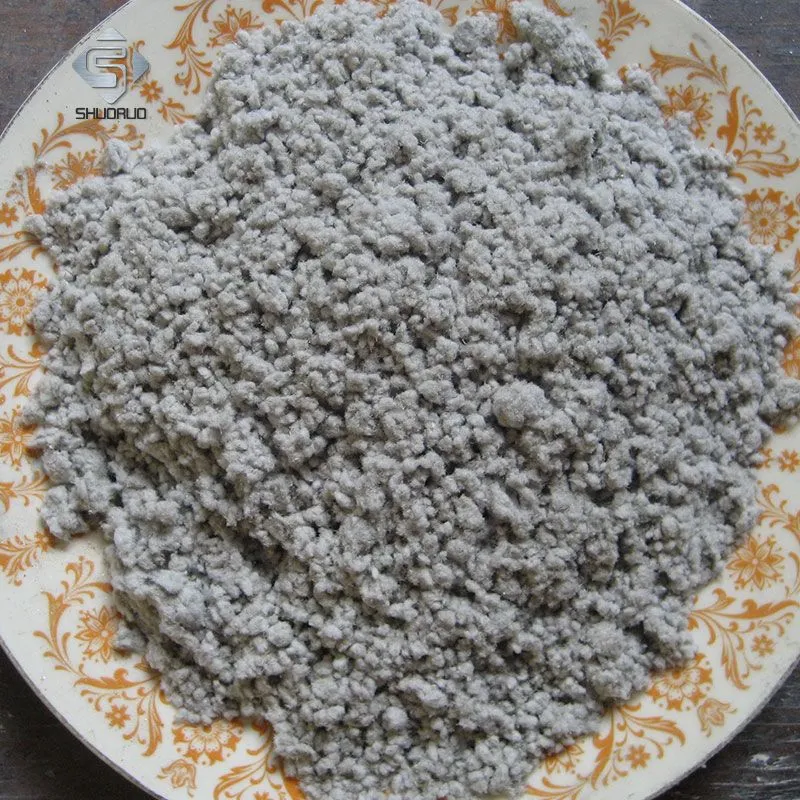
**Friction modifiers enhance the performance of brake pads by improving their grip and reducing wear and noise.** These additives are crucial for maintaining the safety and longevity of braking systems, ensuring a smooth driving experience.
Friction modifiers are designed to reduce wear and enhance the performance of brake pads. Here’s how they do it:
There are several types of friction modifiers used in brake pads, including:
Utilizing friction modifiers has several benefits:
The future of friction modifiers is intriguing. As technology advances, manufacturers are looking to develop new materials that provide:
In summary, friction modifiers are essential additives for brake pads. They significantly improve the performance and lifespan of these critical components. By understanding the types, benefits, and future advancements of friction modifiers, we can appreciate their role in automotive safety and efficiency. Choosing the right additives ensures safer and smoother rides, making friction modifiers a vital part of any braking system.
1. What are friction modifiers?
Friction modifiers are substances added to brake pads to improve their performance, reduce noise, and extend their lifespan.
2. Why are friction modifiers important?
They help enhance the grip of brake pads, reducing wear and promoting safer braking.
3. Can the wrong friction modifier damage my brakes?
Yes, using the wrong modifier can lead to increased wear or reduced effectiveness when braking.


