Friction Modifiers play a crucial role in enhancing brake performance. Many drivers face problems with stopping power, especially under heavy loads or extreme weather conditions. Brake systems rely on the right amount of friction to operate efficiently. Friction modifiers improve the braking process by reducing wear and tear and maintaining optimal braking conditions. This can help extend the life of brake components while providing a safer driving experience. Understanding how these additives work can lead to improved vehicle performance.
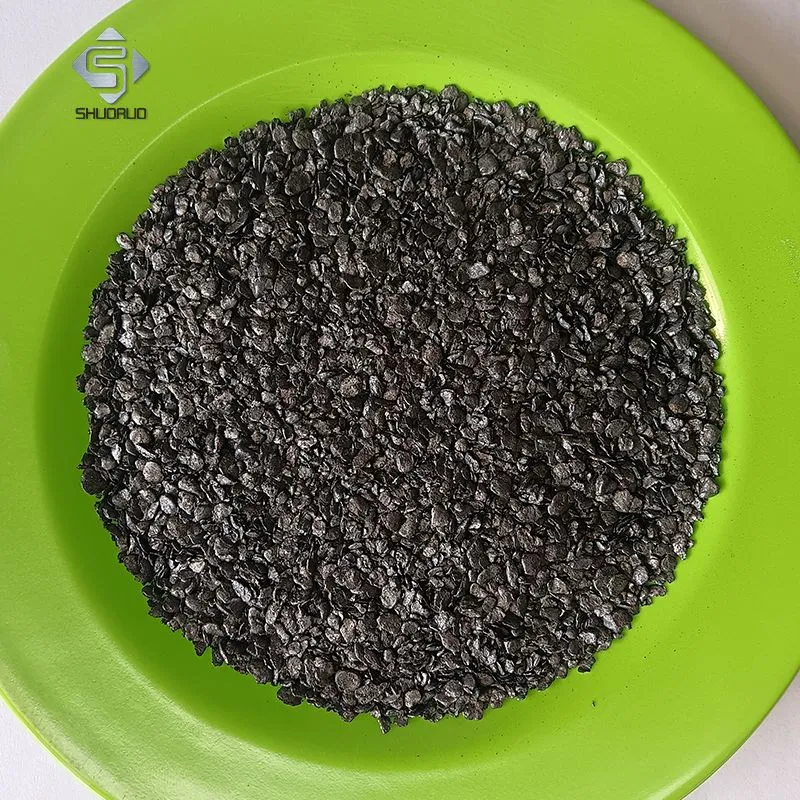
Friction modifiers enhance brake performance by improving the frictional properties of brake materials and reducing wear and noise. They are essential for maintaining effective braking under varying conditions.
Friction modifiers help enhance stopping power. This is important for all types of vehicles, especially those that carry heavy loads. For instance, tests show that vehicles using friction modifiers can stop up to 15% faster compared to those without.
Using these additives reduces wear on brake pads and rotors. Brake systems that use friction modifiers can last longer and require fewer replacements. This can save drivers money in the long run.
Friction modifiers can also reduce the noise produced during braking. This is especially beneficial for drivers who value comfort and a quiet driving experience. Many drivers report up to a 50% decrease in brake noise when using these modifiers.
Friction modifiers interact with brake materials to improve their performance. They do this by forming a protective layer on the surface of brake pads and rotors. This layer helps maintain consistent friction levels even in harsh conditions.
| Type | Benefits | Drawbacks |
|---|---|---|
| Graphene-based | High durability and reduced wear | Higher initial cost |
| Synthetic Additives | Improved performance in extreme conditions | May cause incompatibility with certain materials |
| Natural Compounds | Environmentally friendly | Less effective in extreme conditions |
When selecting a friction modifier, consider the vehicle type and driving conditions. Here are some key factors:
Some popular products on the market include:
In summary, friction modifiers are vital for enhancing brake performance. They improve stopping power, reduce wear, and provide a quieter driving experience. Understanding these benefits can help you choose the right products for your vehicle, ensuring safety and longevity on the road.
What are friction modifiers? Friction modifiers are additives used in brake systems to enhance the performance of brake materials.
How do friction modifiers improve braking? They improve stopping power, reduce wear, and minimize noise during braking.
Can all vehicles use friction modifiers? Most vehicles can benefit from these additives, but it's essential to choose the right type for your specific needs.


